

Infrared vs. Traditional Sauna: The Ultimate Guide to Choosing Your Ideal Wellness Retreat
Introduction to Saunas: Ancient Traditions Meet Modern Wellness
Table of Contents
- Understanding Traditional Saunas: The Enduring Appeal of Classic Heat
- Exploring Infrared Saunas: A Gentle Yet Powerful Approach to Healing
- Direct Comparison: Infrared vs. Traditional Sauna - Key Differentiators
- Health Benefits Unpacked: What Each Sauna Offers for Your Well-being
- Who Should Choose Which? Matching Saunas to Your Lifestyle and Needs
- Installation, Maintenance, and Safety: What You Need to Know for Your Home Sauna
- Frequently Asked Questions About Infrared and Traditional Saunas
- Find Your Perfect Sauna: Begin Your Journey to Enhanced Well-being
Heat bathing traditions are deeply woven into human history. Ancient cultures, from Finnish tribes to Central American peoples, used heated spaces for purification. This enduring practice highlights our innate desire for warmth and its therapeutic effects. The timeless appeal of the sauna attests to its profound benefits.
Your choice for a home wellness retreat now extends beyond early designs. Modern innovation presents two distinct paths: classic steam saunas and innovative infrared models. Each offers a unique approach to heat therapy, defined by how it warms your body. Understanding this fundamental difference is the crucial first step. This guide illuminates the characteristics of both for an informed decision on infrared vs traditional sauna.
Understanding Traditional Saunas: The Enduring Appeal of Classic Heat
Traditional saunas offer a timeless wellness ritual with deep historical roots. For over 2,000 years, the Finnish sauna has been a cornerstone of community and health. This enduring method focuses on heating the air within a wood-paneled room. The experience is profoundly social and deeply restorative.
How Traditional Saunas Generate Heat and Promote Wellness
At the core of a traditional sauna lies a powerful central heater or stove. Whether using wood, electricity, or gas, the heater warms volcanic rocks. These rocks absorb and store immense heat, acting like a thermal battery. The air circulates around them, becoming intensely heated through convection. This process radiates warmth to every surface in the room.
The Traditional Sauna Experience: Temperature, Humidity, and Sensation
A session in a traditional sauna is an encounter with intense, powerful heat. Temperatures commonly range from 70°C to an impressive 100°C (158-212°F). This creates a very dry atmosphere, heating your body from the outside in. Deep, purifying sweat is encouraged through this ambient warmth.
The true magic, however, lies in the Finnish custom of löyly. Bathers ladle water onto searing hot stones. This releases a wave of soft steam, momentarily raising humidity. This burst of vapor, often called the 'soul' of the sauna, intensifies the feeling of warmth on your skin. It creates a truly invigorating experience.
Exploring Infrared Saunas: A Gentle Yet Powerful Approach to Healing
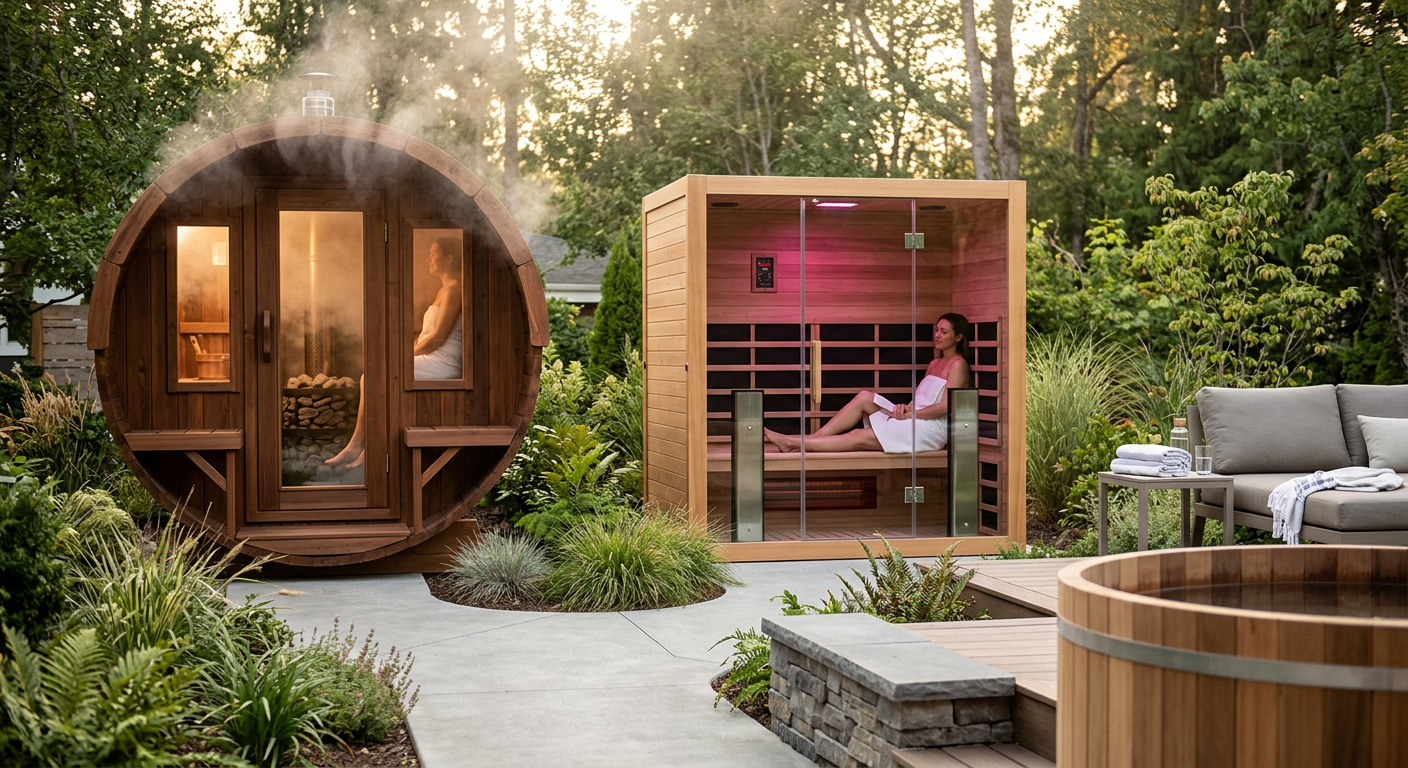
Infrared saunas represent a modern evolution in heat therapy. They use advanced technology to deliver warmth differently. This gentle method provides a deeply therapeutic experience. It avoids the intense, ambient heat of a classic sauna. It is a highly-regarded choice for personal wellness sanctuaries at home.
The Science Behind Infrared Heating: Direct Body Absorption
An infrared sauna uses specialized heaters to emit radiant light. This unique light is experienced as heat and absorbed directly by your skin. It operates much like the sun warming your body on a cool day. The air inside the cabin stays comfortable, as it is not the primary target. Different wavelengths penetrate the body at varying depths.
Near, mid, and far-infrared wavelengths gently raise your core body temperature from within. This induces a purifying sweat. Many people find this process deeply restorative. The direct heating method avoids overheating the surrounding air, enhancing comfort.
The Infrared Sauna Experience: Lower Temperatures, Longer Sessions
A session inside an infrared sauna is distinctively comfortable. Operating temperatures typically range from a mild 49°C to 60°C (120°F to 140°F). This is far lower than the stinging heat found in traditional models. The gentle warmth allows you to relax for longer periods without discomfort. Many wellness experts suggest sessions lasting between 30 and 45 minutes for best results.
Because the air itself is not superheated, breathing remains easy. This creates a serene environment. It is perfect for meditation or quiet regeneration. The extended session time allows for deeper relaxation and more profound therapeutic effects.
Direct Comparison: Infrared vs. Traditional Sauna - Key Differentiators
Choosing the right sauna involves understanding their fundamental differences. Each offers a distinct path to relaxation and wellness. The core distinction lies in how they generate and transfer heat. This single factor influences temperature, comfort, and even your electricity bill. Let's compare infrared vs traditional sauna features.
Heating Mechanisms and Heat Transfer: A Fundamental Divide
Traditional saunas use convective heat to warm the space. An electric or wood-fired heater warms a collection of stones. These hot stones then gradually heat the surrounding air inside the cabin. Your body is warmed by this hot air, creating the intense, enveloping heat of the classic Finnish experience.
Infrared saunas work differently, using radiant heat technology. Specialized emitters release infrared wavelengths. These are absorbed directly by your body. This process warms you from the inside out, much like the sun's warmth. It significantly heats the air to a much lesser extent. The experience is a gentle, deep warmth, which many find less overwhelming.
Temperature, Humidity, and Session Duration: Tailoring Your Sauna Experience
The heating mechanism directly impacts the cabin environment. Traditional saunas operate at high ambient temperatures, typically between 70°C and 90°C. You can control humidity by ladling water onto the stones. This creates a burst of steam known as “löyly.” Sessions are usually shorter, around 15 to 20 minutes, due to the intensity.
In contrast, infrared saunas run at much cooler temperatures of 45°C to 60°C. The air itself isn't the primary heat source, so the environment remains comfortably dry. This milder climate allows for longer, more leisurely sessions. Many users enjoy relaxing for 25 to 45 minutes at a time. This makes them ideal for extended relaxation.
Pre-heating Time and Energy Efficiency: Practical Considerations
Your daily routine and energy consciousness are important factors. A traditional sauna requires significant pre-heating. It often takes 30 to 60 minutes to reach its ideal temperature. This thorough heating process naturally consumes more energy per session. This is a key consideration for regular use.
Infrared models offer a distinct advantage in convenience and efficiency. They are ready for use in just 10 to 20 minutes. This is perfect for spontaneous wellness sessions. This rapid start translates into lower energy consumption. A 2021 review in Energies confirmed the high efficiency of far-infrared systems, making them a practical choice.
Health Benefits Unpacked: What Each Sauna Offers for Your Well-being
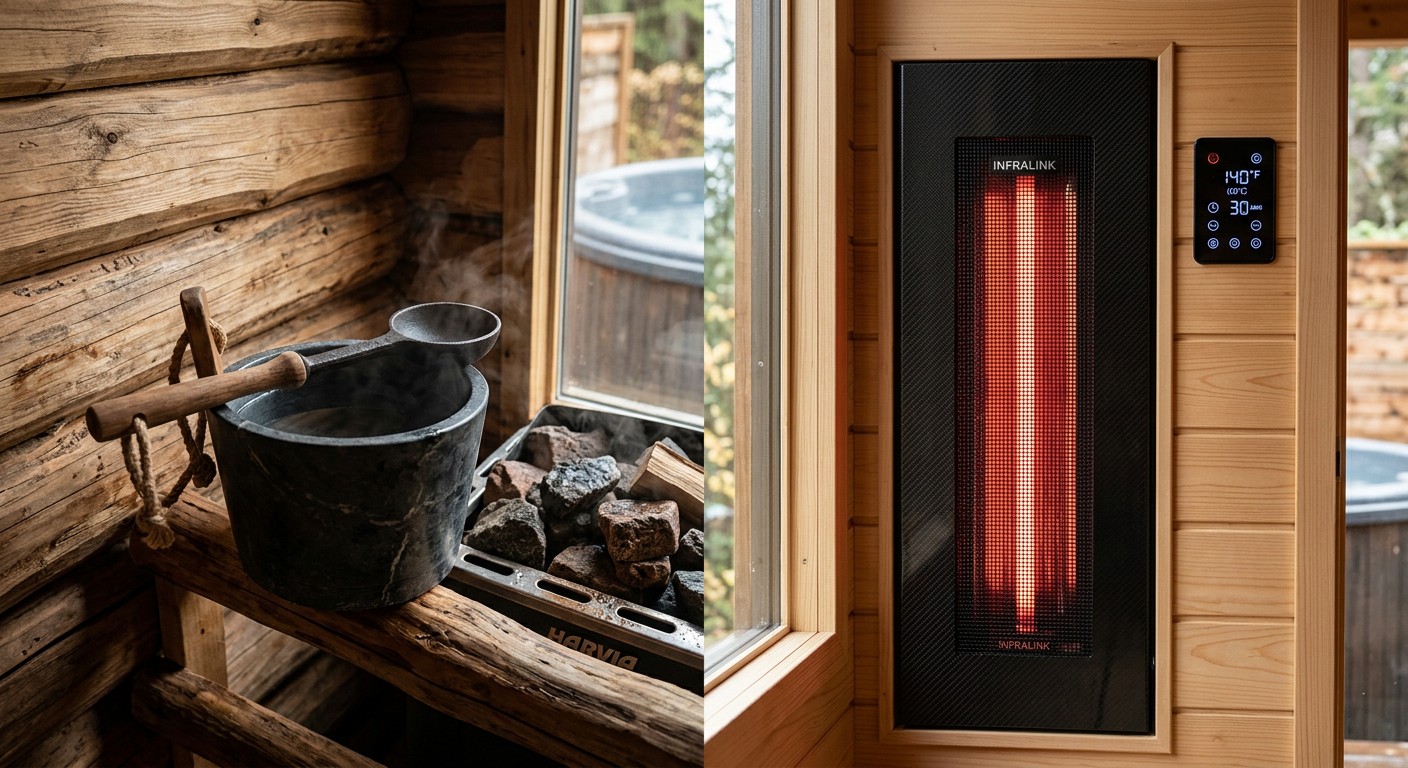
Understanding the wellness potential of saunas helps clarify your investment. Both infrared and traditional models offer profound benefits. However, they deliver them in distinct ways. The experience you prefer often aligns with the specific outcomes you desire for your health. Exploring these differences is key to making a well-informed decision for your wellness journey.
Detoxification and Cardiovascular Health: Sweating It Out
Both sauna types promote a deep sweat. This is the body's primary way of cooling down. This process helps flush impurities from the skin. Traditional saunas use high air temperatures to induce intense perspiration. Infrared saunas warm the body directly. This often results in a sweat that contains different concentrations of toxins.
Cardiovascular effects are also significant. A 2018 Mayo Clinic study linked regular sauna use with a lower risk of cardiovascular-related death. The heat in both types raises your heart rate. This is similar to the effect of moderate exercise. This process can help improve circulation and overall heart function. Traditional models often create a more intense cardiovascular response due to higher ambient heat.
Muscle Relaxation, Pain Relief, and Stress Reduction: Healing Properties
Heat is a well-regarded tool for soothing tired muscles and stiff joints. Traditional saunas provide an enveloping, moist heat that relaxes the entire body. Many users find this immersive experience deeply calming. It is effective for releasing general tension. It represents a classic approach to full-body recovery.
Infrared saunas offer a more targeted approach to pain relief. The infrared wavelengths penetrate deeper into the body's soft tissues. This makes them effective for localized muscle soreness. They also help with joint discomfort, such as in the lower back or shoulders. This direct heat can ease chronic pain and improve flexibility. The gentle warmth provides a serene escape, melting away daily stress.
Skin Health and Other Potential Wellness Enhancements
Regular sauna use can lead to clearer, more radiant skin. Increased circulation brings more oxygen and nutrients to the skin's surface. Sweating helps cleanse pores, potentially reducing breakouts. This improves overall skin tone. Some evidence suggests infrared light may support collagen production, contributing to skin elasticity. This is a key anti-aging benefit.
Beyond the skin, wellness benefits extend to other areas of life. Many people report significantly improved sleep after regular sauna sessions. The body cooling down signals it's time to rest, promoting deeper slumber. The quiet ritual of a sauna also provides a valuable mental break. This leads to a more balanced state of mind.
Who Should Choose Which? Matching Saunas to Your Lifestyle and Needs
Selecting the ideal sauna is a personal journey. The right choice depends on your wellness goals, living space, and daily habits. Both infrared and traditional saunas offer profound benefits. However, their unique heating methods create different experiences. Understanding these differences is key to finding the perfect match. This helps you decide on infrared vs traditional sauna for your home and lifestyle.
Considerations for Heat Sensitivity and Specific Health Conditions
Your comfort with intense heat is a primary factor. Traditional saunas operate at high temperatures, often between 70°C and 100°C. This creates an enveloping, powerful heat. Some find this invigorating. For those sensitive to such high temperatures, the experience may be too intense. It's important to consider personal tolerance.
Infrared saunas provide a gentler alternative. They function at much lower temperatures, typically 45°C to 60°C. The infrared waves warm your body directly. This happens instead of just heating the air around you. This allows for a deep, penetrating warmth without overwhelming ambient heat. These qualities may make an infrared model a more comfortable option for certain users. Always consult with your doctor before starting a new sauna regimen, especially with existing health conditions.
Lifestyle, Budget, and Home Integration: Practical Decision Factors
Practical considerations often guide the final decision. Infrared saunas tend to have a lower upfront cost. They are generally more energy-efficient. They heat up much faster, often in just 10-20 minutes. This reduces electricity consumption per session. Many models are designed as pre-fabricated kits that are easy to assemble. Some smaller units can even plug into a standard household outlet.
Traditional saunas represent a more significant initial investment. They require more time to reach operating temperature, typically 30-60 minutes. This leads to higher running costs. Installation is also more involved. A traditional sauna usually demands dedicated wiring by a qualified electrician. This makes it a permanent fixture. It suits those desiring authentic, high-heat sessions and accommodating the build requirements.
Installation, Maintenance, and Safety: What You Need to Know for Your Home Sauna
Bringing a sauna into your home is an investment in your well-being. Understanding the practical aspects of ownership ensures a seamless experience. From installation to daily use, requirements differ significantly. Proper care will protect your investment for years of enjoyment. This section outlines essential details for both infrared vs traditional sauna types.
Installation Requirements and Space Considerations
An infrared sauna often offers greater installation flexibility. Many are designed as self-contained kits with tongue-and-groove panels. Smaller one or two-person models frequently plug into a standard household socket. This makes them ideal for placement in a spare bedroom, home gym, or even a large walk-in closet. The flexibility is a major advantage for smaller homes.
Traditional saunas typically demand more planning. They require a dedicated 240-volt circuit. This must be installed by a qualified electrician. Proper ventilation is also essential. It manages heat and moisture effectively. This makes them a more permanent installation. They are often built into a dedicated wellness space or bathroom. Planning ahead for this type of installation is crucial.
Maintenance and Longevity: Keeping Your Sauna in Top Condition
Maintaining your sauna’s pristine condition is straightforward. For both types, regular cleaning with a damp cloth prevents residue buildup. Use a soft brush for the benches. Avoid harsh chemicals that could damage the wood. You can lightly sand any stains to restore the finish. This keeps the wood looking fresh.
Specific upkeep varies slightly. Traditional saunas require periodic inspection of the heater stones. They may need adjustment or replacement over time. Infrared saunas are quite low-maintenance. Their solid-state emitters just need an occasional dusting. Keeping the door ajar after use helps the wood breathe and dry completely. This prevents moisture buildup.
Safety Guidelines and Best Practices for Sauna Use
Responsible sauna use is fundamental to enjoying its benefits. Always stay well-hydrated. Drink plenty of water before and after your session. Beginners should start with shorter durations of around 15 minutes. Exit immediately if you ever feel dizzy, nauseous, or uncomfortable. Listening to your body is crucial.
It is wise to consult your general practitioner before starting a sauna routine. This is especially true for those with medical conditions. These include heart disease or low blood pressure. Anyone taking medications that impair heat regulation should also seek medical advice. Avoid alcohol before or during a sauna session. Your personal health and safety should remain the top priority.
Product Showcase: Elevating Your Home Wellness with Premium Saunas
Creating a personal sanctuary is a growing priority for homeowners. The home is becoming a hub for restoration and well-being. This trend aligns with market insights. The Global Wellness Institute notes that wellness real estate is a significant sector. Integrating a premium sauna transforms a simple room into a bespoke wellness retreat. It provides a dedicated space to unwind, recharge, and invest in your health.
Different sauna types cater to unique preferences and spaces. Consider a compact one- or two-person infrared sauna. These models are elegantly designed for smaller indoor areas. They offer deeply penetrating warmth without extensive installation. Crafted from beautiful woods like Canadian Hemlock, they blend seamlessly into a home gym. Their lower energy consumption provides accessible daily wellness routines.
For a more comprehensive experience, a full-spectrum infrared sauna is an exceptional choice. These spacious rooms often seat three to four people. They feature heaters that emit near, mid, and far-infrared wavelengths. Each spectrum offers distinct benefits, allowing for a tailored session. Such models often include modern comforts. These include integrated chromotherapy lighting and Bluetooth audio systems. They transform a simple sauna session into an immersive sensory journey. This benefits the entire family.
Many still cherish the authentic heat of a classic Finnish sauna. An indoor traditional sauna offers intense, enveloping warmth. It comes from a high-performance electric stove. You can create clouds of steam by ladling water over the hot stones. These saunas are social hubs. Built with aromatic woods like Red Cedar, they become a centerpiece for relaxation. They embody a truly timeless wellness tradition.
Your garden can also become a stunning wellness destination with an outdoor barrel sauna. Its unique cylindrical design is visually striking. It also promotes highly efficient air and heat circulation. This leads to a consistent and powerful sauna experience. Built to withstand the elements, a barrel sauna makes a bold statement. It turns your outdoor space into an all-season haven for hydrotherapy and relaxation.
For those who refuse to compromise, a hybrid sauna presents the ultimate solution. These premium models combine a traditional rock stove with advanced infrared heating panels. This allows you to choose your experience daily. You could opt for a dry, intense Finnish session. Alternatively, you might prefer a gentle, prolonged infrared sweat. This versatility ensures your home sauna perfectly matches your mood and wellness goals, offering unparalleled flexibility.
Frequently Asked Questions About Infrared and Traditional Saunas
Choosing the right sauna involves balancing personal wellness goals with practical considerations. Here we answer some of the most common questions our clients ask. Understanding the nuances of infrared vs traditional sauna helps in making an informed decision about your purchase.
Is one type of sauna 'better' than the other?
The ideal sauna is entirely a matter of personal preference. It depends on your desired experience. Neither type is universally superior. Traditional saunas provide intense, enveloping heat and high humidity. This creates a classic, social atmosphere. Infrared models offer a gentler heat. This penetrates the body directly at lower ambient temperatures. If you enjoy a vigorous, steamy session, a traditional sauna is excellent. For a milder, more targeted therapeutic session, infrared is often preferred.
Can I convert a traditional sauna to an infrared sauna, or vice versa?
Converting between sauna types is highly complex. It is generally not recommended. A traditional sauna's structure is built around a powerful electric or wood heater. It requires specific ventilation and bench placement. An infrared sauna uses precisely positioned emitters. These need different wiring and a distinct interior layout. Attempting a conversion can compromise both safety and performance. It is far more practical to invest in a model built for your preferred heating method.
What are the typical operating costs for each sauna type?
Infrared saunas are widely regarded as more energy-efficient. They heat up in minutes. They also use lower-wattage emitters to heat your body directly. Based on current UK energy prices, a one-hour infrared session might cost between £0.50 and £0.75. Traditional saunas need more powerful heaters. They also have a longer pre-heating time of 30-45 minutes. Consequently, a comparable session often costs between £1.50 and £2.00. This depends on the heater's power.
Are there any contraindications for using either an infrared or traditional sauna?
Yes, caution is advised for certain individuals. People with cardiovascular conditions, low blood pressure, or who are pregnant should consult their doctor. This applies before starting any sauna routine. Anyone taking medications that impair the body's ability to regulate heat should also seek medical advice. It is always wise to avoid alcohol before or during a sauna session. Your personal health and safety should remain the top priority.
How often should I use a sauna for optimal benefits?
Frequency depends on your personal wellness goals. It also depends on your tolerance for heat. Many users find that 2-3 sessions per week support general relaxation and well-being. Athletes seeking muscle recovery may use a sauna more often. Sometimes they use it after each training session. The key is to listen to your body. Ensure you are properly hydrated. Start with shorter sessions and gradually increase duration as you become accustomed to the heat.
What is the lifespan of an infrared emitter compared to traditional sauna stones?
Key components for both sauna types are designed for durability. However, they have different maintenance cycles. High-quality carbon fiber infrared emitters often have a lifespan of over 20,000 hours. They can last for decades with typical use. Traditional sauna stones are very durable but require some care. The World Sauna Forum recommends re-stacking them annually. This ensures proper airflow. They should be replaced every five to seven years. They can eventually crack from repeated heating and cooling.
Find Your Perfect Sauna: Begin Your Journey to Enhanced Well-being
The choice between radiant infrared and classic traditional heat is a deeply personal one. Both paths ultimately lead to profound relaxation and rejuvenation at home. A sauna is more than just an appliance. It represents the heart of your personal wellness sanctuary. We invite you to explore our curated collection of luxury home saunas. Discover the ideal model to elevate your daily routine. Begin a transformative journey toward enhanced well-being. This investment in yourself promises comfort, serenity, and a renewed sense of vitality.
About This Article
Editorial Disclosure: This article was researched and written by our content team to provide helpful, accurate information about infrared vs traditional sauna. We regularly review and update our content to reflect the latest industry developments and best practices.