

Hot Tub Installation Guide: Planning Your Perfect Home Spa
This comprehensive hot tub installation guide details each essential step. Proper planning creates a successful setup. We cover site preparation, electrical requirements, and common errors. Following these steps ensures long-term enjoyment and safety. This guide helps minimize costly mistakes.
Preparing Your Site for Hot Tub Installation
Proper preparation is vital for successful hot tub installation. This ensures both safety and lasting enjoyment. A carefully chosen site and strong foundation protect the investment. Thorough planning avoids expensive issues later. This section outlines how to prepare your property.
Choosing the Ideal Location and Foundation
Selecting the right location is a primary step for your hot tub. Choose a firm, level surface to prevent structural stress. Privacy is also important; consider views from neighboring properties. Ensure easy access for hot tub maintenance. Proximity to water and power sources is also critical.
Your foundation must support significant weight. A five-person hot tub, when full, can exceed 2,500 kg (5,500 lbs). This includes water and occupants. Concrete slabs are ideal for their strength and durability. They should measure at least 10-15 cm (4-6 inches) thick. Reinforcement with rebar is also necessary.
For deck installations, professional assessment is crucial. The deck requires specific engineering to handle the total load. Many experts recommend consulting a structural engineer for any deck-mounted tub. This ensures safety and adherence to building codes. Proper foundation choice is paramount for your home spa.
Understanding Electrical Requirements and Regulations
Hot tubs require specific electrical setups for safety and performance. Most models need a dedicated 240V, 30-50 amp circuit. This circuit must run directly from your main electrical panel. Ground Fault Circuit Interrupter (GFCI) protection is absolutely mandatory. It instantly cuts power during an electrical fault, preventing serious injury.
Always use a licensed electrician for these connections. DIY electrical work is dangerous and often illegal. Remember to check local council rules for any required permits. Building codes often dictate placement and electrical standards for outdoor installations. Ignoring these regulations can lead to fines or even removal. It could also void your homeowner’s insurance.
Step-by-Step Hot Tub Setup and Initial Start-Up

Installing a hot tub is an exciting prospect. Careful planning ensures a smooth setup. This hot tub installation guide covers physical installation and initial checks. Professional help is often essential for safety and compliance. We will guide you through each important stage.
Navigating Delivery and Placement
Hot tub delivery requires clear access. Ensure a path at least 30 cm (one foot) wider than your hot tub. This prevents damage during transit. The delivery team needs unobstructed routes from the street to the final site. Confirm your designated foundation is level and ready.
Concrete slabs or reinforced decks work best. These foundations must bear the hot tub's filled weight. This weight can exceed 2,000 kg for larger models. Use a crane for difficult placements if needed. This professional service ensures precise and safe positioning. Proper placement is key for long-term enjoyment.
Connecting Utilities and First Fill Procedures
Electrical hook-up is a critical step. A certified electrician must perform this work. Most hot tubs need a dedicated 240V circuit. This is specified by the manufacturer. Incorrect wiring is dangerous and voids warranties. Always follow the manufacturer’s guidelines.
Once power is connected, begin filling your hot tub. Always fill through the filter housing compartment. This purges air from the plumbing lines. It also protects the circulation pump. Run a garden hose into this area until the water level is correct. Typically, this is above the highest jet.
After filling, open all air bleed valves on the pump and heater. This releases trapped air, which can harm components. Apply an initial dose of water treatment chemicals. Follow the hot tub manufacturer's guidelines precisely for these first treatments. This balances the water chemistry.
It primes the system for safe use. Allowing the water to circulate for several hours helps distribute the chemicals. Test the water with strips before first use. Ensure proper pH and sanitizer levels are achieved. This ensures a clean, safe environment for your first soak. Maintaining water quality is vital.
Avoiding Common Installation Mistakes and Ensuring Longevity
Many issues stem from overlooked details during hot tub installation. Incorrect electrical hookups are a frequent error. Improper wiring creates severe safety hazards. This often voids your hot tub's warranty. It can also lead to costly repairs. Ensure your electrician understands the specific demands of a hot tub.
They must adhere strictly to local building codes. This protects your investment and ensures your safety. Another common mistake involves an inadequate foundation. A hot tub full of water and people weighs a significant amount. Placing it on an uneven or weak surface causes structural stress.
This stress can lead to cracks in the shell over time. It can also cause leaks. Damage to internal components is another risk. Such issues significantly shorten your spa's lifespan. The ground must be perfectly level and strong enough to support thousands of pounds. Consult a professional if you have doubts.
Failing to consider future access for maintenance is another pitfall. Hot tubs require periodic servicing. Components like pumps, heaters, and filters need access for repair or replacement. Blocking these areas means parts of your deck or landscaping might need demolition later. Plan for clear, unobstructed access panels around the unit.
Poor drainage planning also creates problems. Water spilling from the hot tub needs a place to go. Standing water around the base can damage the skirting. It also creates slippery conditions, presenting a fall risk. Ensure the site slopes away from the hot tub. Install a proper drainage system if necessary.
These oversights can turn your luxurious hot tub into a persistent headache. Professional hot tub installation services proactively address these concerns. They safeguard your investment. Following this guide will help you avoid these common missteps. Enjoy your new home spa for years to come.
Expert Tips for a Smooth Hot Tub Installation
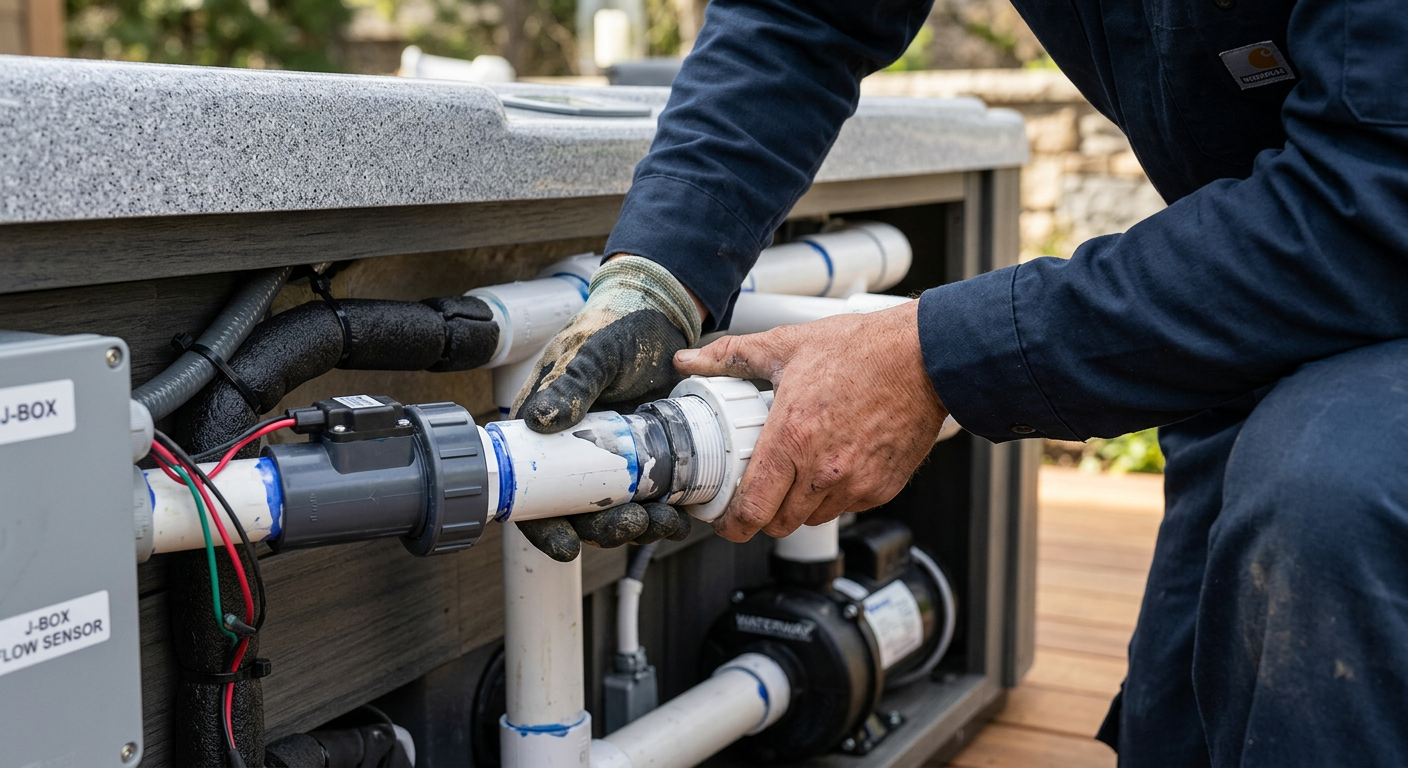
Always review your owner's manual carefully.
Insert internal links. Return the full content.
About This Article
Editorial Disclosure: This article was researched and written by our content team to provide helpful, accurate information about hot tub installation guide. We regularly review and update our content to reflect the latest industry developments and best practices.